


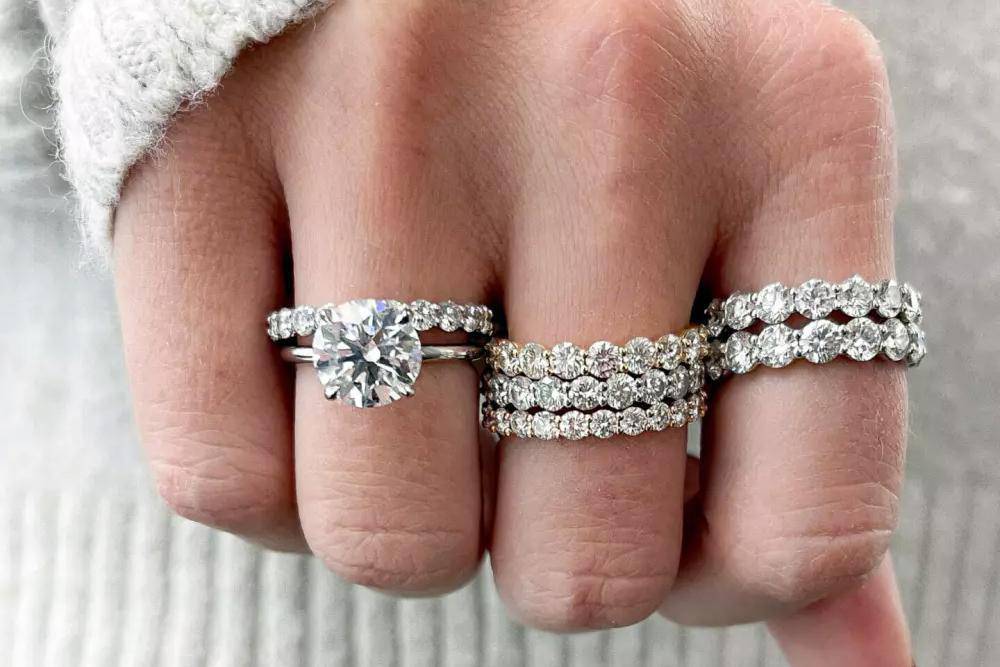
When it comes to choosing the perfect gemstone for an engagement ring, necklace, or other fine jewelry, the traditional diamond is no longer the only contender. Two increasingly popular alternatives are moissanite and lab-grown diamonds. While both offer ethical, budget-friendly, and beautiful options, they are distinct in several important ways. This article explores the key differences, benefits, and considerations of moissanite and lab-grown diamonds to help you make an informed decision.
What Is Moissanite?
Moissanite is a gemstone composed of silicon carbide (SiC). It was originally discovered in 1893 by French scientist Henri Moissan in a meteor crater, which is why it is often associated with a cosmic origin. Natural moissanite is incredibly rare, so nearly all moissanite used in jewelry today is lab-created.
Despite its visual similarity to diamonds, moissanite is a completely different mineral. It’s prized for its exceptional brilliance and fire, often even more dazzling than a diamond under direct light.
What Are Lab-Grown Diamonds?
Moissanite Diamond, also known as man-made or synthetic diamonds, are real diamonds created in a controlled laboratory environment. They have the same physical, chemical, and optical properties as natural diamonds, because they are made of pure carbon, just like their earth-mined counterparts.
There are two primary methods for growing diamonds in labs:
-
High Pressure High Temperature (HPHT)
-
Chemical Vapor Deposition (CVD)
Both methods simulate the conditions under which diamonds naturally form deep within the Earth, resulting in stones that are indistinguishable from natural diamonds without advanced testing equipment.
Key Differences Between Moissanite and Lab-Grown Diamonds
| Feature | Moissanite | Lab-Grown Diamond |
|---|---|---|
| Composition | Silicon Carbide | Carbon (C) |
| Hardness (Mohs scale) | 9.25 | 10 |
| Brilliance | Very High (more colorful fire) | High (classic diamond sparkle) |
| Cost | 10-20% of diamond’s cost | 30-50% cheaper than mined diamonds |
| Color | Slightly warmer tones | Available in colorless or colored |
| Ethical & Sustainable | Yes | Yes |
| Origin | Synthetic (lab-created) | Synthetic (lab-created) |
Appearance and Sparkle
One of the main reasons consumers compare moissanite and lab-grown diamonds is appearance.
-
Moissanite is known for its intense fire and rainbow sparkle, which is caused by its high refractive index (2.65–2.69). Some people love the extra sparkle, while others find it too “disco-ball” like.
-
Lab-grown diamonds have the classic diamond brilliance that people are accustomed to. They reflect white light and colored light in a balanced way, offering timeless elegance.
From a distance, moissanite and diamonds may appear similar, but up close and under the right lighting, trained eyes can spot the difference.
Durability and Daily Wear
Both gemstones are suitable for daily wear, but diamonds are slightly more durable.
-
Lab-grown diamonds score a perfect 10 on the Mohs scale, making them the hardest material on Earth. This makes them incredibly scratch-resistant and ideal for engagement rings.
-
Moissanite, with a score of 9.25, is still extremely durable—second only to diamonds among natural and synthetic gemstones. It’s unlikely to scratch or chip under normal use.
So, for long-term durability, lab-grown diamonds have a slight edge, but moissanite is more than capable of withstanding everyday activities.
Price and Value
One of the biggest differences between moissanite and lab-grown diamonds is the price.
-
Moissanite is significantly less expensive. A 1-carat moissanite stone may cost only $300–$600, depending on quality and brand.
-
Lab-grown diamonds offer a middle ground. A 1-carat lab-grown diamond might cost $1,000–$3,000, whereas a mined diamond of the same size could be $4,000–$7,000 or more.
If budget is a concern, moissanite provides the most affordable option without compromising on visual impact.
Ethics and Sustainability
Both moissanite and lab grown diamonds are conflict-free and eco-friendly alternatives to mined diamonds.
-
Moissanite is always lab-created, meaning it avoids the environmental and social issues associated with mining.
-
Lab-grown diamonds also bypass the destructive effects of mining and offer a more transparent and ethical supply chain. Some brands even use renewable energy in their production processes.
For those who prioritize sustainability and ethics, both stones are solid choices.
Resale Value and Investment
When it comes to resale, neither moissanite nor lab-grown diamonds currently hold value like natural diamonds.
-
Moissanite has minimal resale value, primarily because it is not rare and is easily available at a low cost.
-
Lab-grown diamonds retain slightly better resale value, but still depreciate more than natural diamonds due to supply and changing consumer perceptions.
If you’re looking at your purchase as an investment, a natural diamond may still be preferred. However, for most buyers, emotional value outweighs financial return.
Which One Should You Choose?
Choosing between moissanite and lab-grown diamonds ultimately depends on your personal preferences, budget, and values.
-
Choose moissanite if:
-
You love extra sparkle
-
Budget is a major factor
-
You want a durable, eco-friendly alternative
-
-
Choose lab-grown diamonds if:
-
You want a genuine diamond with the same properties as a mined one
-
You’re looking for classic sparkle and maximum durability
-
Ethical sourcing is a priority but you also want traditional elegance
-
Final Thoughts
The jewelry world has changed, and modern consumers now have more choices than ever. Moissanite and lab-grown diamonds both provide stunning, ethical, and budget-conscious options for today’s buyer. Whether you’re shopping for an engagement ring, anniversary gift, or simply treating yourself, understanding the differences between these stones helps you pick a piece that fits both your lifestyle and your values.
In the end, beauty is in the eye of the beholder—and both moissanite and lab-grown diamonds shine in their own unique way.