


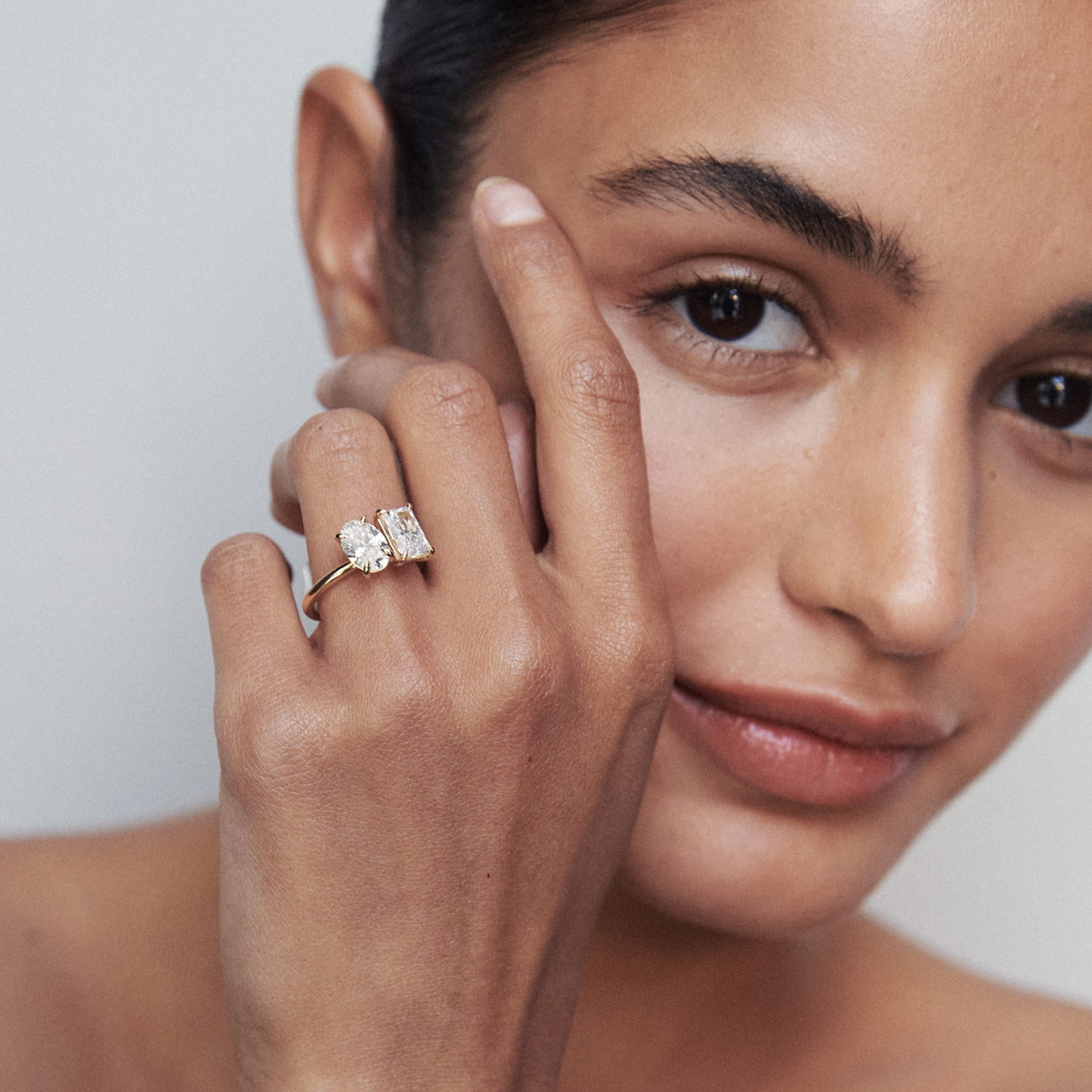
In recent years, the diamond industry has undergone a remarkable transformation with the rise of loose man made diamonds and lab-grown diamonds . These gems, which are chemically, physically, and optically identical to natural diamonds, have gained immense popularity due to their ethical sourcing, affordability, and environmental benefits. As consumers become more conscious of sustainability and transparency, lab-grown diamonds are emerging as a compelling alternative to mined diamonds. Let’s explore what makes these stones so special and why they’re reshaping the future of luxury.
What Are Loose Man-Made Diamonds?
Loose man-made diamonds, also known as lab-grown or synthetic diamonds, are created in controlled laboratory environments using advanced technological processes. These processes replicate the natural conditions under which diamonds form deep within the Earth’s mantle—extreme heat and pressure—resulting in gemstones that are indistinguishable from their mined counterparts.
The term “loose” refers to diamonds that are not yet set into jewelry pieces. This allows buyers greater flexibility in customizing designs, choosing settings, and ensuring the perfect fit for engagement rings, earrings, necklaces, or other accessories. Loose lab-grown diamonds offer an excellent opportunity for those seeking high-quality stones without compromising on ethics or budget.
How Are Lab-Grown Diamonds Made?
There are two primary methods used to create lab-grown diamonds:
- High Pressure High Temperature (HPHT):
In this process, carbon is subjected to extreme pressure and temperatures similar to those found in the Earth’s mantle. A small diamond seed is placed in a chamber where it grows layer by layer until it becomes a fully formed diamond. - Chemical Vapor Deposition (CVD):
This method involves placing a diamond seed in a vacuum chamber filled with carbon-rich gases like methane. When energy is applied, the gas breaks down, and carbon atoms bond to the seed, gradually forming a diamond crystal.
Both techniques produce diamonds that are identical to natural ones at a molecular level. The only difference lies in their origin—one comes from the Earth, while the other is crafted in a lab.
Why Choose Loose Lab-Grown Diamonds?
1. Ethical Sourcing
One of the most significant advantages of lab grown diamonds is their ethical appeal. Traditional diamond mining has long been associated with issues such as human rights abuses, child labor, and funding conflicts (“blood diamonds”). By opting for lab-grown diamonds, consumers can ensure their purchase supports sustainable practices free from exploitation.
2. Environmental Sustainability
Mining natural diamonds requires extensive excavation, leading to deforestation, habitat destruction, and water pollution. On the other hand, lab-grown diamonds have a significantly lower environmental footprint. They require fewer resources and emit less carbon dioxide during production compared to traditional mining operations.
3. Cost-Effectiveness
Lab-grown diamonds typically cost 20-40% less than natural diamonds of comparable size and quality. This price difference makes them an attractive option for budget-conscious buyers who still want the brilliance and durability of real diamonds. Additionally, purchasing loose stones gives you the freedom to invest in higher-quality diamonds within your budget.
4. Customization Options
Buying loose lab-grown diamonds allows you to design bespoke jewelry tailored to your preferences. Whether you’re looking for a unique engagement ring or a statement piece, loose diamonds provide endless possibilities for creativity and personalization.
5. Consistency and Quality
Since lab-grown diamonds are created under controlled conditions, they often exhibit exceptional clarity and color consistency. This ensures that every stone meets rigorous quality standards, giving buyers peace of mind about their investment.
Are Lab-Grown Diamonds Real Diamonds?
Yes! Lab-grown diamonds are 100% real diamonds. They share the same chemical composition (pure carbon), crystal structure, and physical properties as natural diamonds. Even professional jewelers cannot differentiate between the two without specialized equipment. The only distinction is their origin—natural diamonds take millions of years to form underground, while lab-grown diamonds are produced in weeks or months.
It’s important to note that reputable labs certify both types of diamonds using the same grading criteria (cut, clarity, color, and carat weight). Certifications from organizations like the Gemological Institute of America (GIA) or International Gemological Institute (IGI) guarantee authenticity and quality.
The Growing Popularity of Lab-Grown Diamonds
The demand for lab-grown diamonds has skyrocketed over the past decade, driven by shifting consumer values and increasing awareness of sustainability. According to industry reports, the global market for lab-grown diamonds is projected to grow exponentially in the coming years. Millennials and Gen Z, in particular, are embracing these eco-friendly alternatives as symbols of modern love and responsibility.
Luxury brands and retailers are also recognizing this trend. Many established jewelers now offer collections featuring lab-grown diamonds alongside their traditional offerings. Some companies even specialize exclusively in lab-grown diamond jewelry, further solidifying their place in the mainstream market.
Common Misconceptions About Lab-Grown Diamonds
Despite their growing popularity, some misconceptions persist about lab-grown diamonds:
- “They’re fake.”
Lab-grown diamonds are not fake; they are genuine diamonds with the same properties as natural ones. Simulants like cubic zirconia or moissanite differ entirely in composition and quality. - “They’ll lose value over time.”
While all diamonds—whether natural or lab-grown—can fluctuate in resale value, lab-grown diamonds retain their intrinsic worth due to their unmatched beauty and durability. - “They lack uniqueness.”
Every diamond, whether mined or lab-grown, is unique in its own way. The ability to customize settings and designs adds another layer of individuality to lab-grown diamond jewelry.
Conclusion: Embracing the Future of Diamonds
Loose man-made diamonds and lab-grown diamonds represent a paradigm shift in the jewelry industry. They combine the timeless allure of diamonds with modern values of sustainability, affordability, and ethical responsibility. For those seeking a meaningful and stylish way to express love, celebrate milestones, or simply indulge in luxury, lab-grown diamonds offer an unparalleled choice.
As technology continues to advance and consumer preferences evolve, it’s clear that lab-grown diamonds are here to stay. By choosing these ethically sourced gems, you’re not just investing in beautiful jewelry—you’re contributing to a brighter, more sustainable future.
So, whether you’re designing a custom engagement ring or searching for the perfect gift, consider exploring the world of loose lab-grown diamonds. After all, true beauty lies not just in how something looks but in the story behind it—and lab-grown diamonds tell a story of innovation, integrity, and hope.