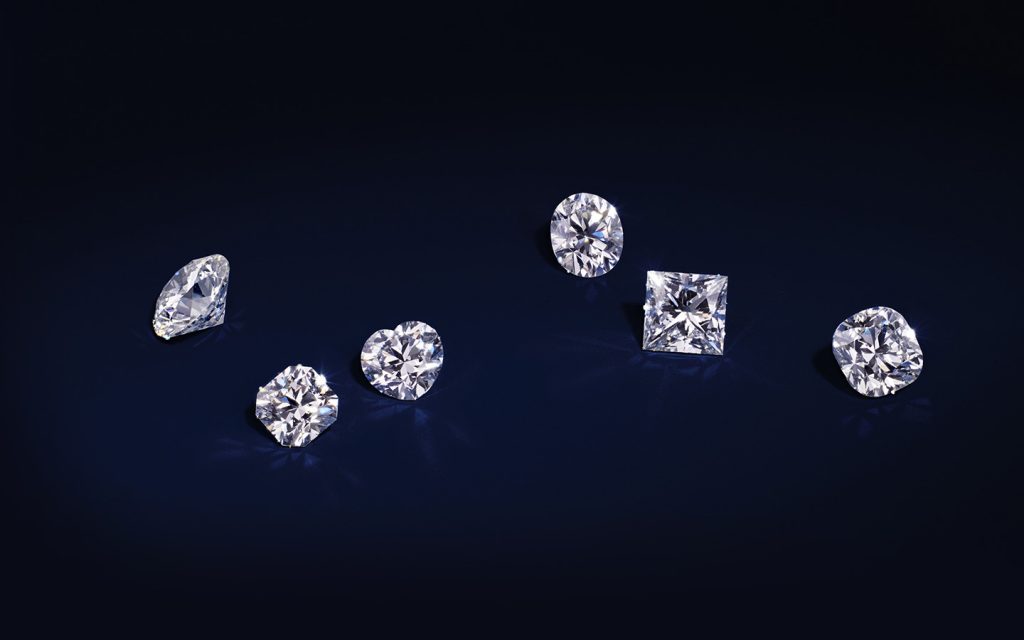

Introduction to Emerald Shapes
Emerald shapes in gemstones are renowned for their elegance and unique characteristics. Unlike other cuts, the emerald shape offers a distinct allure that has captivated gem enthusiasts for centuries. Understanding what makes this shape special involves exploring its history, characteristics, and cultural significance.
History and Significance
The emerald cut originated from the desire to maximize the beauty of emerald gemstones while minimizing waste during the cutting process. Initially developed for emeralds due to their brittle nature, this cut later became popular for diamonds and other gemstones. Culturally, emerald shapes have been associated with luxury, sophistication, and status throughout history, often adorning the crowns and jewelry of royalty and nobility.
Characteristics of Emerald Shapes
The emerald shape is characterized by its rectangular or square appearance with trimmed corners. Unlike brilliant cuts that emphasize sparkle, emerald cuts focus on clarity and the gem’s natural hue. This shape typically features step-cut facets that create a hall-of-mirrors effect, providing a mesmerizing glimpse into the gemstone’s interior.
Popular Uses of Emerald Shapes
Emerald-shaped gemstones are highly favored in both traditional and contemporary jewelry designs. Their clean lines and geometric appeal make them ideal for engagement rings, pendants, earrings, and bracelets. Beyond jewelry, emerald shapes are also used decoratively in accessories, art pieces, and architectural embellishments.
The Art of Cutting Emeralds
Crafting an emerald shape requires precision and expertise. Unlike other cuts that prioritize maximizing brilliance, the emerald cut demands meticulous attention to the gemstone’s internal clarity and color. Mastering this cut involves intricate techniques to showcase the stone’s natural beauty without compromising its structural integrity.
Factors Influencing Value
The value of an emerald-shaped gemstone is influenced by several factors, including the gem’s size, color, clarity, and cut quality. While emerald shapes can vary widely in these aspects, certain proportions and facet alignments are prized more than others in the market, affecting the gemstone’s overall worth and desirability.
Notable Emeralds in History
Throughout history, several iconic emerald-shaped gemstones have gained legendary status. From royal collections to renowned museums, these gems often carry tales of intrigue, romance, and cultural significance. Each gem’s unique shape contributes to its allure and historical value, making it a cherished artifact of human craftsmanship and creativity.
Emerald Shapes in Modern Jewelry Trends
In contemporary jewelry trends, emerald shapes continue to enjoy popularity among designers and consumers alike. Their timeless elegance and versatility complement various styles, from classic and vintage-inspired pieces to modern and minimalist designs. Influenced by celebrities and fashion icons, emerald-shaped gemstones remain a coveted choice for those seeking sophistication and individuality.
Caring for Emerald-Shaped Gemstones
Maintaining the beauty of emerald-shaped gemstones requires proper care and handling. Due to their structural characteristics, emeralds are more susceptible to damage from impact and chemicals compared to other gemstones. Regular cleaning with mild solutions and storing in protective settings help preserve their brilliance and longevity.
Lab created diamonds, also known as synthetic or cultured diamonds, are gemstones produced in a controlled environment using advanced technology that replicates the natural diamond-forming conditions. Unlike their natural counterparts, which are formed over millions of years deep within the Earth, lab-created diamonds are grown in a matter of weeks or months. They possess the same physical, chemical, and optical properties as natural diamonds, making them indistinguishable to the naked eye.
Emerald Shapes Beyond Gemstones
Beyond their use in jewelry, emerald shapes find applications in architecture, art, and symbolism. The clean lines and geometric symmetry of this shape inspire structural designs, artistic interpretations, and cultural expressions worldwide. From ancient temples to modern sculptures, emerald shapes continue to captivate and inspire creativity across diverse disciplines.
Emerald Shapes in Pop Culture
References to emerald shapes abound in popular culture, often symbolizing wealth, power, and mystique. From cinematic treasures to literary symbols, emerald shapes evoke a sense of fascination and allure. Across different cultures and media, these shapes convey meanings that resonate with audiences, enriching storytelling and visual aesthetics.
Emerald Shape Myths and Legends
In folklore and mythology, emerald shapes hold symbolic meanings ranging from fertility and rebirth to protection and prosperity. These beliefs have endured through generations, influencing cultural practices and spiritual rituals worldwide. The emerald’s distinctive shape often carries narratives that connect humanity’s fascination with nature’s beauty and the mysteries of the universe.
Choosing the Right Emerald Shape
When selecting an emerald-shaped gemstone, consider factors such as personal style, occasion, and budget. Each gemstone’s unique characteristics, including color intensity and clarity patterns, contribute to its individuality and appeal. Whether opting for a classic rectangular emerald or a more modern square variation, the choice reflects personal taste and the desired symbolism behind the gem.
Conclusion
Emerald shapes embody a timeless elegance that transcends centuries of human history and creativity. From ancient civilizations to modern-day trends, these distinctive gemstones continue to inspire awe and admiration. Whether adorning jewelry, enriching cultural expressions, or symbolizing aspirations, emerald shapes remain a cherished testament to the enduring allure of nature’s beauty and human craftsmanship. Discovering the world of emerald shapes invites us to appreciate their unique brilliance and the stories they tell, connecting us to a legacy of elegance and refinement.